Competent Cells
Competent cells are chemically-modified bacterial cells with altered cell walls enabling the uptake of DNA via transformation. Competent cultures of Escherichia coli (E. coli) are used in the lab for various procedures including cloning, protein expression, and genetic library creation.
Useful Links
Save Now - Exclusive Deals

Product Code 16512160

Product Code 11518656

Product Code 15930583

Product Code 12007519
Product Code 15970583

Product Code 10276442

Product Code 11503127

Product Code 4925022

Product Code 10388162

Product Code 10799374

Product Code 10524973

Product Code 16504600
Must Have

Product Code 4925027

Product Code 13483249

Product Code 4924971

Product Code 10022512

Product Code 10328512

Product Code 4925016
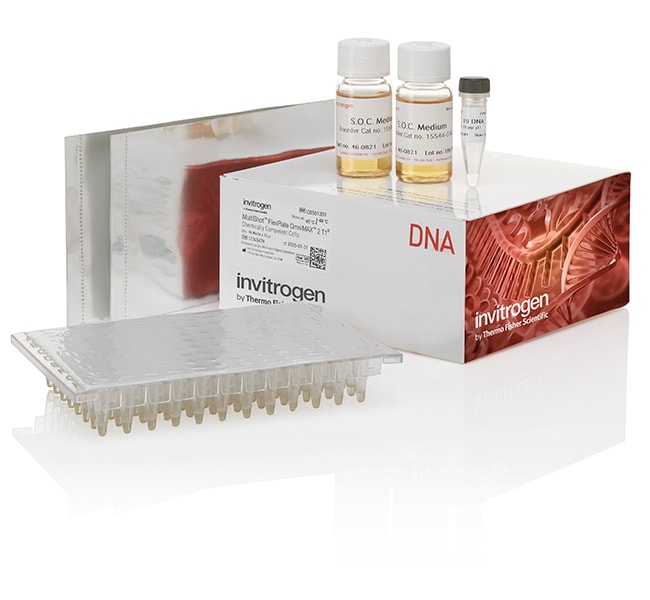
Product Code 15960583
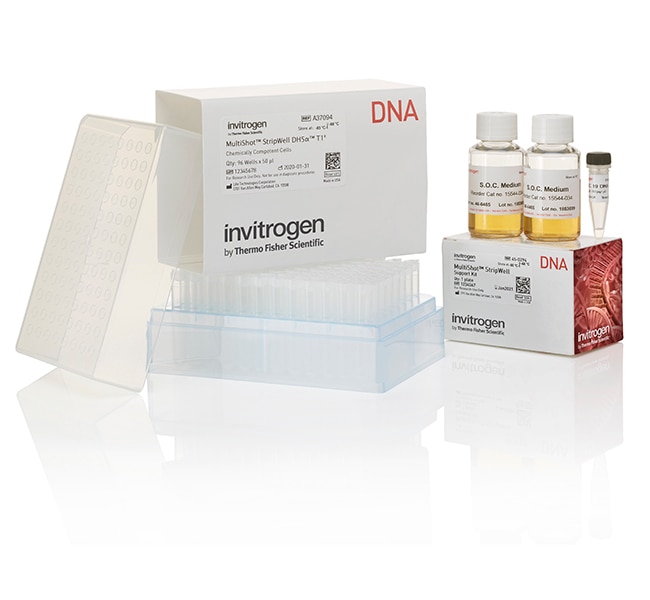
Product Code 16378741
Complete Your Order - Great Deals

Product Code 15382185


Product Code 4525271
FAQ
Competent cells are bacterial cells that have been treated to allow them to take up foreign DNA more easily. This process is essential in genetic engineering and molecular biology for cloning purposes. Competent cells can be made chemically competent by treating them with calcium chloride or other methods, or they can be made electrocompetent by exposing them to an electric field (electroporation). These treatments make the cell membrane more permeable to DNA, facilitating the uptake of plasmid DNA during transformation.
Non-competent cells have not been treated to enhance DNA uptake, and therefore, their ability to take up foreign DNA is very low or negligible. These cells are generally not used for transformation experiments because their natural state does not support efficient DNA uptake. Non-competent cells can be used to study bacterial growth, metabolism, and physiology under various conditions. They can also be used to investigate the expression of endogenous genes without the interference of foreign DNA. In molecular biology experiments, non-competent cells can serve as negative controls to ensure that any observed transformation is due to the treatment and not spontaneous uptake of DNA.
Competent cells can be categorized based on their preparation methods and specific applications. The different types of competent cells are:
1. Chemically Competent Cells
Chemically competent cells are prepared using chemical treatments, typically calcium chloride, to make the cell membrane more permeable to DNA. Common types are:
- Standard Competent Cells: Suitable for routine cloning and plasmid propagation. Examples: DH5α, TOP10, JM109
- High-Efficiency Competent Cells: Designed for high transformation efficiency, often used for cloning difficult or low-abundance DNA. Examples: XL10-Gold, DH5α High Efficiency
2. Electrocompetent Cells
Electrocompetent cells are prepared for electroporation, a method that uses an electric field to introduce DNA into cells. Common types:
- Standard Electrocompetent Cells: Used for routine electroporation with moderate transformation efficiency. Examples: DH10B Electrocompetent, TOP10 Electrocompetent
- High-Efficiency Electrocompetent Cells: Designed for high-efficiency transformation, particularly useful for large plasmids or genomic DNA. Examples: GeneHogs Electrocompetent, ElectroMAX DH5α
3. Specialized Competent Cells
These cells are engineered for specific applications beyond routine cloning.
- Protein Expression Competent Cells: Optimized for high-level expression of recombinant proteins. Examples: BL21(DE3), Rosetta(DE3), T7 Express
- Mutagenesis Competent Cells: Used for site-directed mutagenesis and other genetic modifications. Examples: XL1-Blue, SURE
- Cloning Toxic Genes Competent Cells: Designed to propagate toxic or unstable genes. Examples: Stbl2, Stbl3
- Transformation of Large Plasmids: Specifically designed to handle large plasmids or BACs. Examples: EPI300, HST08
4. Competent Cells for Specific Screening Applications
These cells have specific genetic markers or features that aid in screening and selection. Examples:
- Blue-White Screening Competent Cells: Contain lacZΔM15 mutation for blue-white screening of recombinant clones. Examples: DH5α, JM109
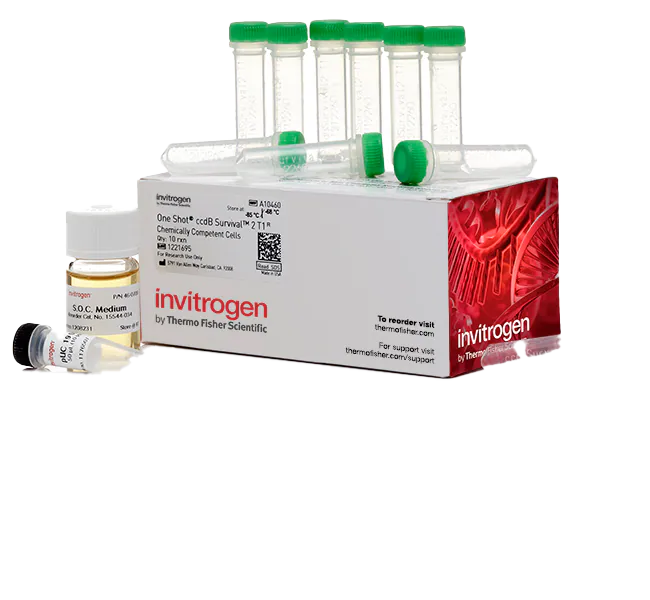
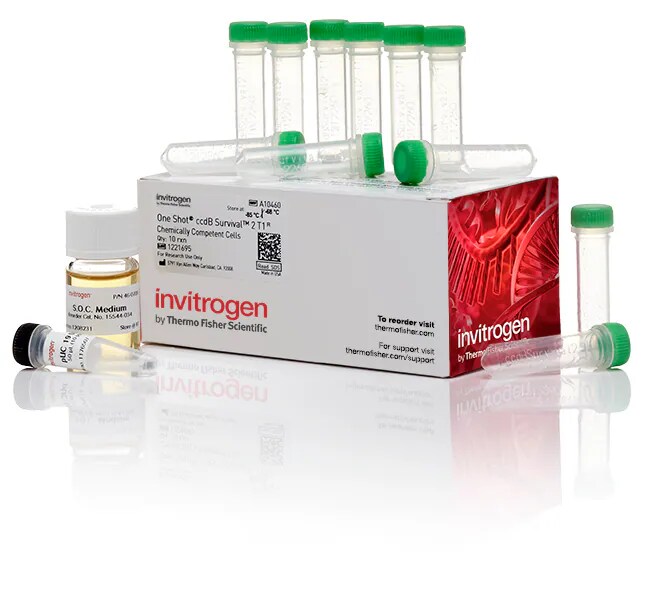
- Gateway Cloning Competent Cells: Optimized for Gateway recombination cloning. Examples: ccdB Survival cells
The choice of competent cells depends on the specific needs of your experiment, such as transformation efficiency, plasmid size, protein expression, mutagenesis, and screening requirements.
Choosing competent cells depends on several factors related to your specific experimental needs. Here are key considerations and steps to help you choose the right competent cells:
1) Transformation Efficiency
- If you need to clone a gene or construct a library where high transformation efficiency is crucial, choose cells labeled as "high efficiency".
- For routine cloning where extremely high efficiency is not necessary, standard competent cells.
2) Cell Strain
- E. coli Strains: Common strains include DH5α, TOP10, and JM109, each offering different advantages such as high transformation efficiency, improved plasmid yield, or blue-white screening capability
- Specialized Strains: For specific applications such as protein expression, mutagenesis, or propagation of toxic genes, specialized strains like BL21 (for protein expression) or XL1-Blue (for mutagenesis) may be more appropriate
3) Compatibility With Plasmid or DNA Type
- Ensure that the competent cells you choose are compatible with the plasmid vector or DNA you plan to use. For example, some strains are optimized for high-copy plasmids, while others are better for low-copy or large plasmids
4) Antibiotic Resistance
- Verify that the antibiotic resistance markers on the plasmid are compatible with the selection markers of the competent cells
5) Genotypic Features
- Some applications may require specific genotypic features, such as recA- (to prevent recombination) or endA- (to improve plasmid yield and quality)
Example of Choosing Competent Cells
- For Routine Cloning: DH5α or TOP10 cells are commonly used due to their high transformation efficiency and reliability
- For Protein Expression: BL21(DE3) cells are often chosen because they are designed for high-level expression of recombinant proteins
- For Difficult Cloning: For cloning large plasmids or toxic genes, you might choose a strain like Stbl3 or SURE cells
Resources and Related Information

Shop By Brand