Benchtop pH Meters
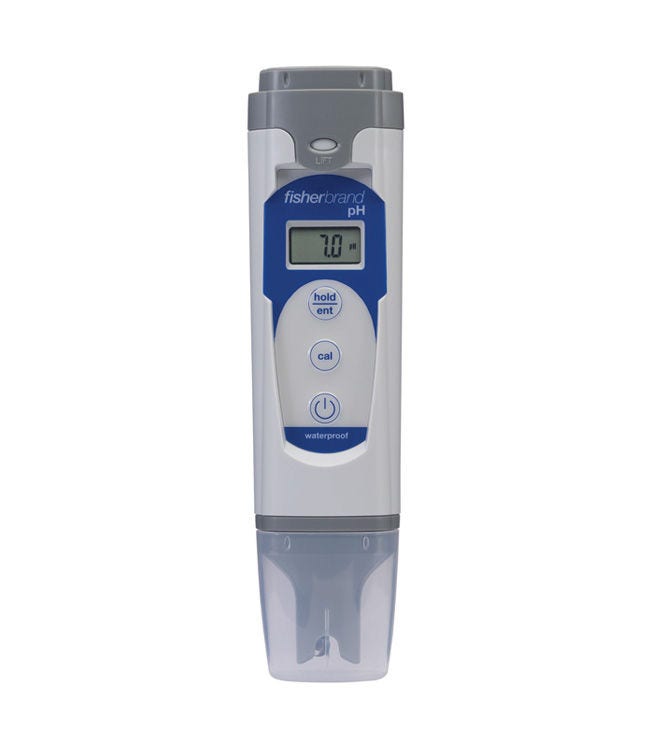
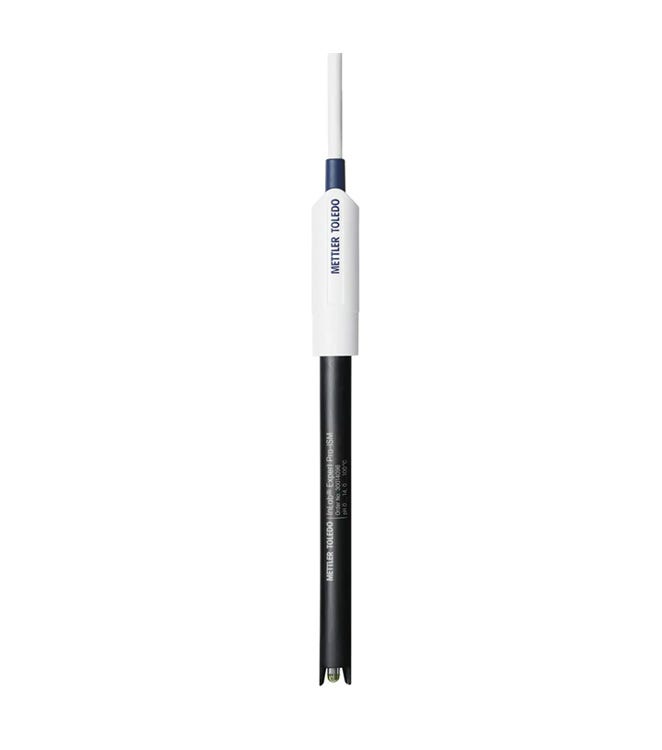
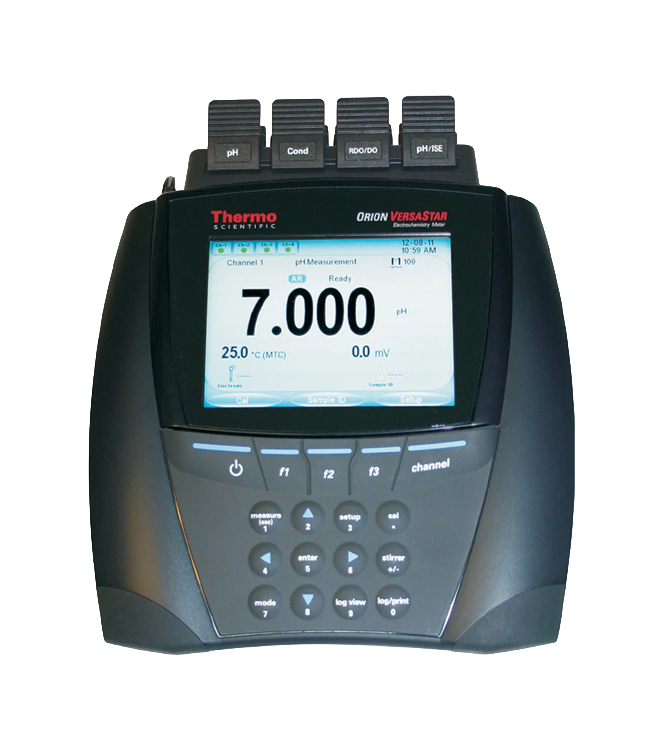
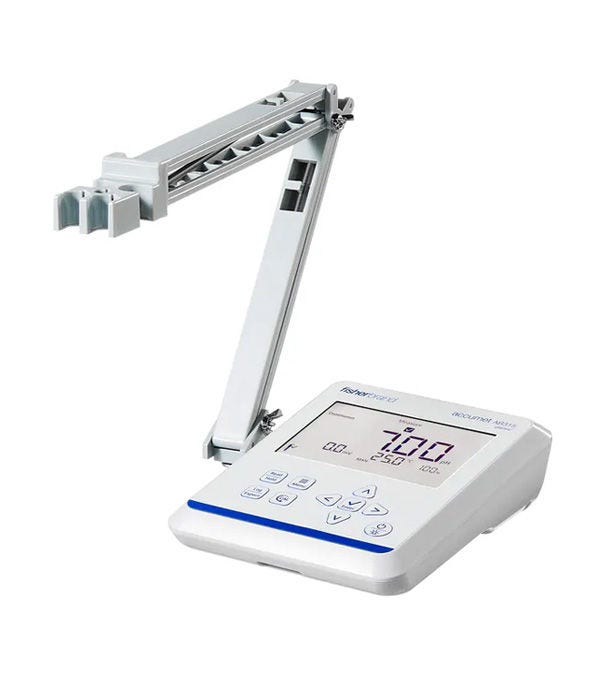
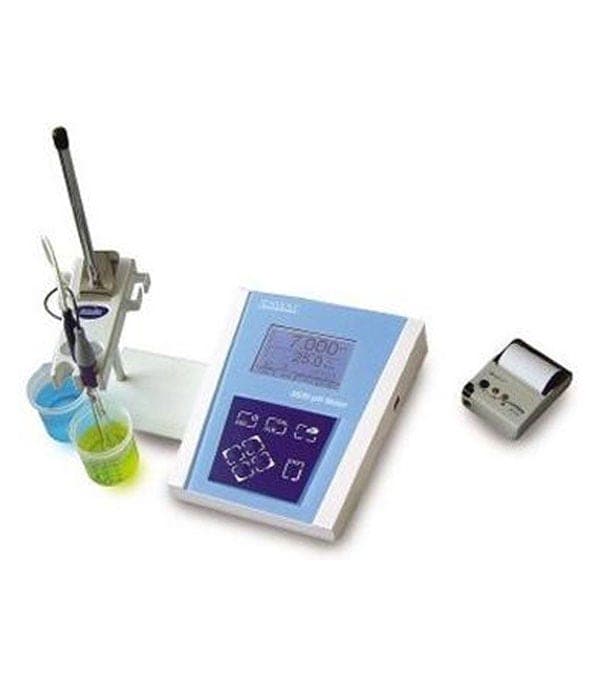
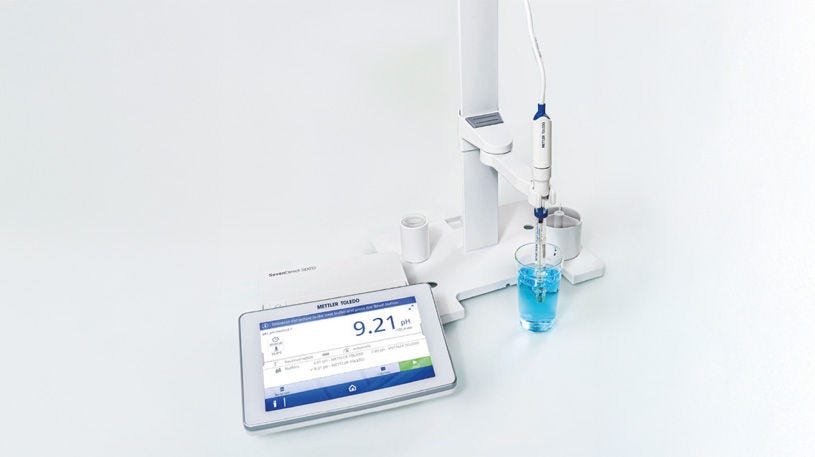
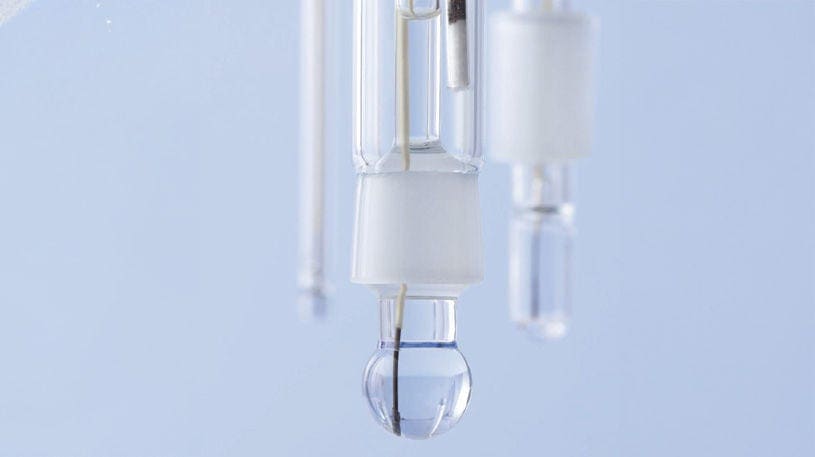
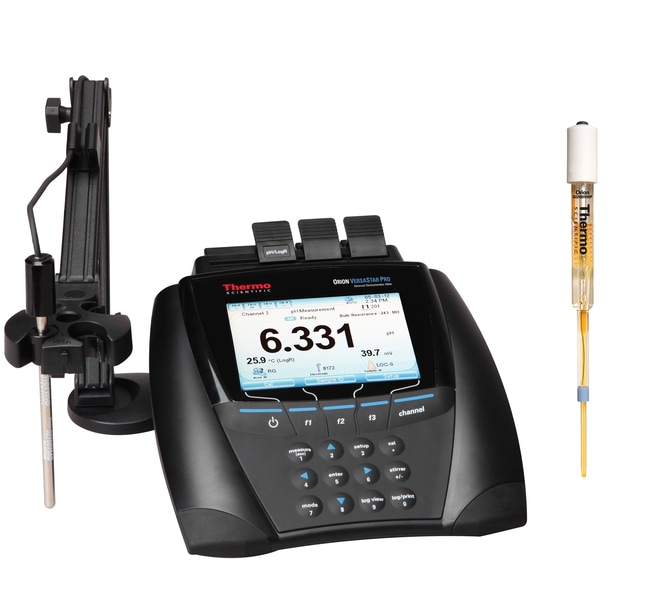
Benchtop pH meters are designed to measure the pH level of a sample to a high degree of accuracy. They are equipped with multiple features such as large screens, electrode arms and sensors. Apart from acidity and alkalinity, conductivity or dissolved oxygen concentration can also be measured.

Useful Links
Save Now - Exclusive Deals

Product Code 15563360

Product Code 17741739

Product Code 15661717

Product Code 17511006
Product Code 17731739
Product Code 15583370

Product Code 10099124

Product Code 17570996
Complete Your Order - Great Deals

Resources and Related Information


Must Have

Product Code 15490324
Product Code 17721739

Product Code 13457806

Product Code 17308959

Product Code 15307053

Product Code 11400479
Product Code 15621727
Product Code 13440679
FAQ
A benchtop pH meter offers higher measurement accuracy, stability, and feature integration compared to portable instruments.
Typical laboratory-grade models achieve ±0.001 pH resolution and incorporate automatic temperature compensation (ATC), multi-point calibration, and data logging capabilities.
They are designed for controlled environments such as analytical or QC labs, where precision, traceability, and compliance outweigh mobility.
Handheld meters, while convenient, typically provide lower accuracy (±0.01 pH) and fewer calibration options, making benchtop units the standard for regulated or high-precision applications.
pH readings are inherently temperature-dependent, since electrode potential varies with the Nernst equation slope (~59.16 mV/pH unit at 25 °C).
Benchtop meters implement Automatic Temperature Compensation (ATC) by reading temperature via an integrated or external probe and adjusting the measurement accordingly.
Without ATC, measurements can deviate significantly—especially in high-precision titrations or when comparing samples at different temperatures.
Advanced meters allow manual input of sample temperature or real-time compensation curves, ensuring consistent results across varying thermal conditions.
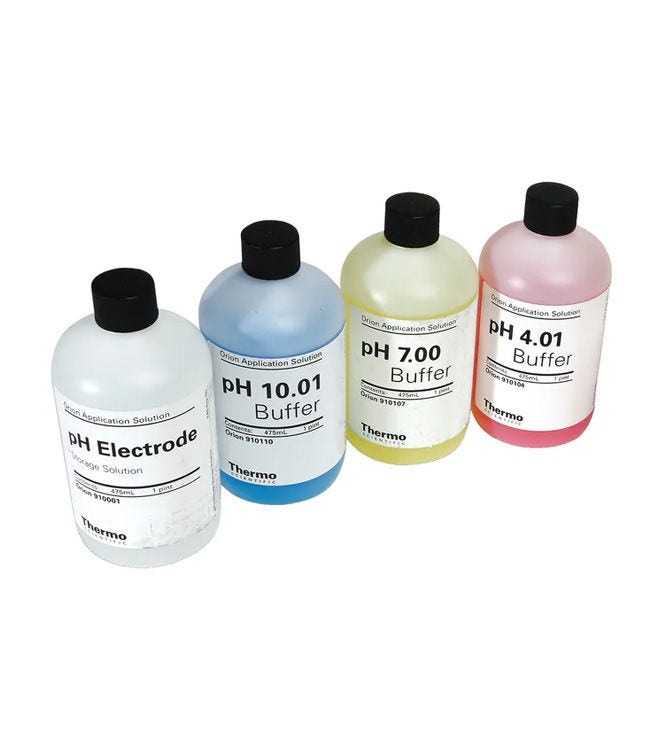
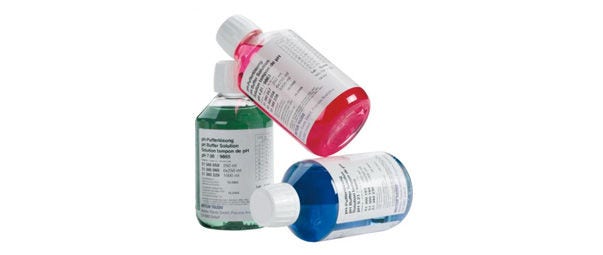
Accurate pH measurement depends on proper multi-point calibration using traceable buffer standards (commonly pH 4.01, 7.00, and 10.01).
Benchtop instruments typically support 2–5 point calibration, automatically recognizing buffer values and applying slope and offset corrections.
For regulated laboratories, calibration data should be logged, time-stamped, and linked to operator IDs to satisfy GLP/GMP or ISO 17025 documentation standards.
Regular electrode maintenance (hydration, cleaning, and storage in proper solution) further ensures consistent response and extends electrode lifespan.
Top Brands