Master mixes til realtids-PCR
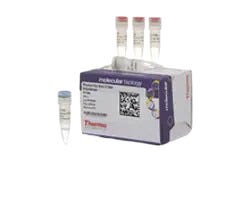
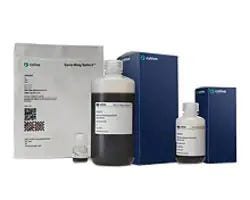
Realtids-PCR eller qPCR muliggør detektion og kvantificering af målrettede nukleinsyrer. PCR-master mixes kan anvendes til at reducere risikoen for kontaminering og andre fejl relateret til blanding og pipettering.

Nyttige links
Spar nu - Eksklusive tilbud

Produktkode 4927003

Produktkode 4527036

Produktkode 4927004
Produktkode 7074248

Produktkode 7180628


Produktkode 4919407
Gør din ordre komplet - Gode tilbud

Produktkode 7184431

Produktkode 7184433
Must Have

Produktkode 6476575

Produktkode 30245081

Produktkode 7180446
Produktkode 7229283


Produktkode 8015682

Produktkode 4927005

Produktkode 4919408
FAQ
En master mix til realtids-PCR er en forberedt opløsning, der indeholder de fleste af de komponenter, der er nødvendige til PCR-reaktionen, såsom DNA-polymerase, dNTP’er, MgCl2, buffer og nogle gange fluorescerende farvestoffer, for at sikre ensartethed og effektivitet i amplifikationsprocessen.
Komponenterne i en master mix til RT-PCR omfatter:
- DNA-polymerase: Et enzym til at syntetisere nye DNA-strenge
- dNTP’er (deoxynukleotidtrifosfater): Byggesten til ny DNA-syntese
- MgCl2 (magnesiumchlorid): En cofaktor, der er nødvendig for DNA-polymeraseaktivitet
- Buffer: Opretholder de optimale pH- og saltforhold for reaktionen
- Fluorescerende farvestof (f.eks. SYBR Green eller TaqMan-prober): Til realtidsdetektion af DNA-amplifikation
- RNase-hæmmer: Forhindrer nedbrydning af RNA (hvis revers transkription er inkluderet)
- Revers transkriptase: Enzym til at syntetisere cDNA fra RNA (til RT-PCR)
- Primere: Korte DNA-sekvenser, der initierer DNA-syntese
Disse komponenter kombineres i specifikke proportioner for at sikre effektiv og præcis amplifikation af mål-DNA/-RNA.
Når du køber RT-PCR master mixes, skal du overveje følgende fem faktorer:
- Sørg for, at master mixen er kompatibel med det realtids-PCR-instrument og de anvendelser, den helt præcis skal bruges til.
- Se efter mixes, der tilbyder høj sensitivitet og specificitet til detektion af mål med lav abundans og til at skelne mellem lignende sekvenser.
- Kontrollér stabilitet og holdbarhed for at sikre, at mixen forbliver effektiv over tid og under opbevaringsforhold.
- Foretræk brugsklare mixes, der minimerer forberedelsestrin og reducerer risikoen for fejl.
- Afvej omkostninger mod ydeevnefunktioner under hensyntagen til dit budget og omfanget af dine eksperimenter.
Ressourcer og relateret information
Top-brands