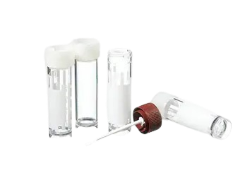
Beholdere til generelle kliniske prøver
Specialiserede opbevaringsbeholdere designet til at indsamle, opbevare, transportere og stabilisere generelle kliniske prøver. Produkterne fås i flere størrelser, kapaciteter og materialesammensætninger.


Nyttige links
Spar nu - Eksklusive tilbud

Produktkode 4525830

Produktkode 4525850

Produktkode 7015036

Produktkode 4525834

Produktkode 8000307

Produktkode 8002462

Produktkode 6223774

Produktkode 11962089

Produktkode 15418804

Produktkode 7182161
Must-haves

Produktkode 10674042

Produktkode 4525832

Produktkode 10102381

Produktkode 4525826

Produktkode 4525836

Produktkode 4525863


Produktkode 15498834
Fuldfør din ordre - Gode tilbud


FAQ
En beholder til kliniske prøver er en specialdesignet beholder, der anvendes til at indsamle, opbevare og transportere biologiske prøver fra patienter til diagnostiske undersøgelser, forskning eller klinisk analyse. Disse beholdere er afgørende for at bevare prøvens integritet og forhindre kontaminering. De findes i forskellige typer afhængigt af den prøve, der skal indsamles:
- Urinbeholdere: Sterile bægre eller rør til indsamling af urinprøver
- Blodprøverør: Vakuumforseglede rør med specifikke tilsætningsstoffer til blodprøvetagning
- Podepinde: Til indsamling af prøver fra svælg, næsebor eller sår
- Afføringsbeholdere: Designet til indsamling og transport af afføringsprøver
- Sputumbeholdere: Til indsamling af slim fra luftvejene
Beholdere til kliniske prøver mærkes normalt med patientoplysninger samt dato og tidspunkt for prøvetagning for at sikre korrekt identifikation og sporbarhed.
Sådan håndteres en beholder til kliniske prøver korrekt:
- Personlige værnemidler: Brug handsker, laboratoriekittel og øjenbeskyttelse
- Aseptiske teknikker: Sørg for, at beholderen er steril
- Prøvetagning: Følg de specifikke procedurer for den pågældende prøvetype
- Lukning: Luk beholderen forsvarligt for at forhindre lækage
- Korrekt mærkning: Medtag patientoplysninger samt dato og klokkeslæt
- Sikker transport: Brug lækagesikre poser, og følg gældende retningslinjer
- Korrekt opbevaring: Følg opbevaringsanvisningerne, hvis prøven ikke skal transporteres med det samme
- Korrekt bortskaffelse: Brug beholdere til biologisk farligt affald.
Disse trin sikrer prøvens integritet og forhindrer kontaminering.
Overvej følgende ved valg af beholdere til generelle kliniske prøver:
- Sterilitet: Sørg for, at beholderen er steril for at forhindre kontaminering
- Materiale: Vælg holdbare og ikke-reaktive materialer som plast
- Størrelse: Vælg en passende størrelse til den pågældende prøvemængde
- Tæt lukning: Sørg for, at låget kan lukkes forsvarligt for at forhindre lækage
- Mærkning: Vælg beholdere med tilstrækkelig plads til patientoplysninger.
Køb efter mærke