Få mere at vide
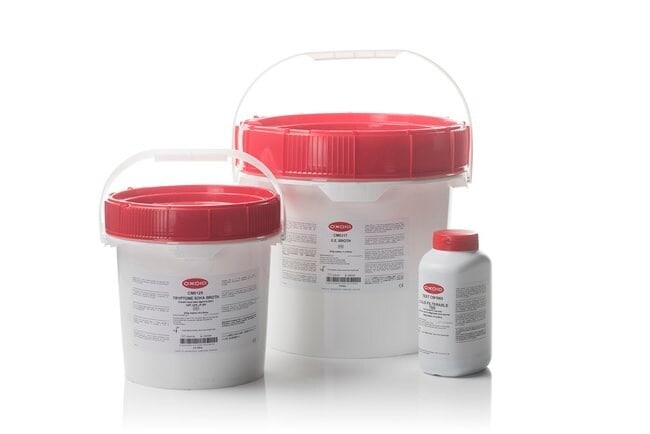

Thermo Scientific™ Brilliance UTI-medium
Beskrivelse
Urinvejsinfektion (UVI) opstår på grund af tilstedeværelsen og væksten af mikroorganismer i urinvejene, hvilket giver anledning til en række kliniske symptomer. Fremtrædende menneskelige patogener er ofte forbundet med urinvejsinfektioner, hvor den mest almindelige mikroorganisme involveret i urinvejsinfektioner er E. coli, som udgør omkring 77% af isolaterne. Andre mikroorganismer forbundet med akutte, ukomplicerede urinvejsinfektioner inkluderer Proteus mirabilis, Staphylococcus saprophyticus, andre koagulase-negative stafylokokker, streptokokker og Candida-arter. Andre mikroorganismer er forbundet med komplicerede urinvejsinfektioner, herunder Klebsiella, Enterobacter- og Proteus-arter, Enterococcus-arter og Pseudomonas aeruginosa. Selvom S. aureus sjældent forårsager infektion, er den forbundet med nyreabnormitet, sekundære infektioner til bakteriæmi, kirurgi og kateterisering. Andre koagulase-negative stafylokokker er blevet forbundet med komplicerede infektioner hos personer med urinvejsabnormiteter eller underliggende sygdom.
Differentiering af de almindelige mikroorganismer, der forårsager urinvejsinfektioner (UVI), opnås gennem inddragelse af to kromogener, som målrettes af specifikke enzymer: β-galaktosidase og β-glucosidase. Virkningen af disse enzymer på kromogenerne medfører frigivelse af den farvede komponent inde i bakteriecellen, hvilket resulterer i farvede kolonier. Den farve, der produceres, afhænger af, hvilke enzymer organismerne producerer. β-galactosidase produceres af E. coli, som vokser som lyserøde kolonier. β- Glucosidase produceres af enterokokker, som danner blå eller turkise kolonier. Kløvning af begge kromogener af KESC (Klebsiella, Enterobacter, Serratia, Citrobacter) gruppen af coliforme former giver mørkeblå eller lilla kolonier. Tryptofan fungerer som en indikator for tryptofandeaminaseaktivitet (TDA), hvilket resulterer i kolonier af Proteus, Morganella og Providencia-arter med brune haloer. Pepton udgør den ernæringskilde i mediet.
Brilliance™ UTI-agar-enheder anvendes i en diagnostisk arbejdsgang for at hjælpe klinikere med at bestemme potentielle behandlingsmuligheder for patienter, der mistænkes for at have urinvejsinfektioner. Enhederne er kun til professionel brug, er ikke automatiserede og er heller ikke ledsagerdiagnostik.
Tekniske data
Tekniske data
| Form | Dehydreret pulver |
| Fremstillingsoprindelse | Storbritannien |
| Sterilitet | Ikke-steril |
| Målorganismeklasse | Bakterielle patogener |
| Test Type | Mikrobiel differentiering |
Ved at klikke på Send, anerkender du, at du kan blive kontaktet af Fisher Scientific med hensyn til den feedback, du har givet i denne formular. Vi deler ikke dine oplysninger til andre formål. Alle angivne kontaktoplysninger skal også vedligeholdes i overensstemmelse med vores Privatlivspolitik.